
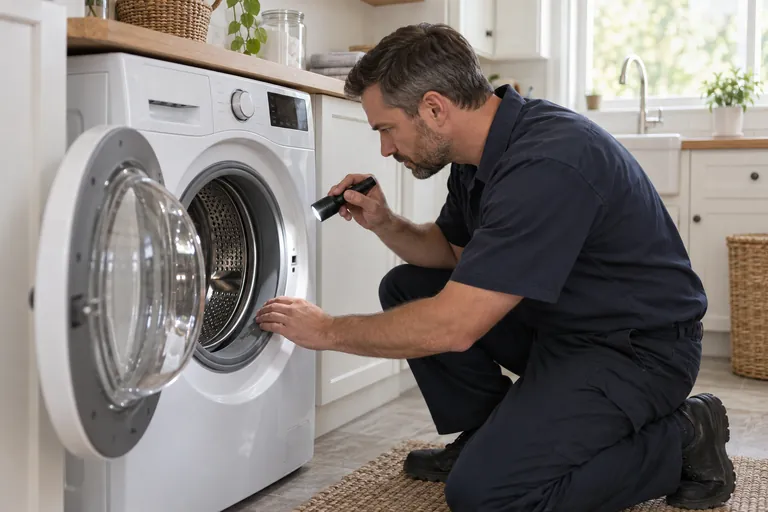
A properly functioning drain hose is essential for your washing machine to complete its cycles. This flexible tube carries hundreds of gallons of dirty water each week from your washer to your home's drain system. When the drain hose develops problems—whether clogs, kinks, cracks, or improper installation—you'll quickly notice the consequences: clothes sitting in dirty water, water backing up onto the floor, or a washer that simply won't complete its cycle.
In this comprehensive guide, we'll cover everything you need to know about washing machine drain hoses, including how to diagnose problems, clear clogs, fix leaks, and replace the hose when necessary. Most of these repairs are well within the capabilities of a handy homeowner.
Understanding Your Washing Machine Drain System
Before troubleshooting, it helps to understand how the drain system works and its key components:
Components of the Drain System
- Drain pump: Located inside the washer, this pump pushes water out of the tub through the drain hose
- Pump filter/trap: Many front-load washers (and some top-loaders) have an accessible filter that catches debris before it enters the pump
- Internal drain hose: Connects the pump to the external drain hose (inside the machine)
- External drain hose: The visible corrugated hose that runs from the back of the washer to your home's drain
- Standpipe or utility sink: Where the drain hose empties—either a dedicated standpipe, laundry sink, or floor drain
Types of Drain Hoses
| Hose Type | Material | Pros | Cons |
|---|---|---|---|
| Corrugated plastic | Flexible PVC or polypropylene | Inexpensive, flexible, widely available | Debris collects in ridges, can kink |
| Smooth-bore rubber | Rubber with smooth interior | Better flow, less clogging | More expensive, less flexible |
| Braided stainless steel | Rubber core with steel exterior | Durable, kink-resistant | Most expensive, less common |
Common Drain Hose Problems and Solutions
Problem 1: Clogged Drain Hose
A clogged drain hose is one of the most common reasons a washing machine won't drain or drains slowly.
Symptoms:
- Washer doesn't drain completely
- Water drains very slowly
- Standing water in drum after cycle
- Washer stops mid-cycle with error code
Causes:
- Lint and fabric fibers accumulating over time
- Small items (coins, hair pins, tissues) getting past the pump filter
- Soap residue and fabric softener buildup
- Pet hair accumulation
How to Clear a Clogged Drain Hose
- Prepare for water: Have towels and a shallow bucket or pan ready
- Unplug the washer: Always disconnect power before working on appliances
- Pull the washer away from the wall: Give yourself room to work
- Locate and remove the drain hose: It's usually held by a clamp at the washer and inserted into the standpipe
- Lower the hose into a bucket: Gravity will drain remaining water—there may be several gallons
- Inspect for visible clogs: Look through both ends
- Flush with water: Run water through the hose using a garden hose or faucet
- Use a drain snake if needed: A flexible drain brush or small plumber's snake can clear stubborn clogs
- Reconnect and test: Run an empty cycle to verify drainage
Check the Pump Filter First
Many front-load washers have an accessible pump filter (usually behind a small door at the bottom front). Check and clean this filter before assuming the drain hose is clogged—it's often the actual source of drainage problems and is easier to access.
Problem 2: Kinked Drain Hose
A kinked hose restricts or completely blocks water flow, causing the same symptoms as a clog.
Symptoms:
- Slow draining or no draining
- Washer vibrates excessively during drain (pump working harder)
- Gurgling sounds during drain cycle
How to Fix a Kinked Drain Hose
- Pull the washer out and inspect the entire length of the hose
- Straighten any kinks or sharp bends
- If the hose has a permanent crease that won't straighten, replace it
- Ensure there's adequate clearance between the washer and wall
- Use a hose guide or anchor to maintain a smooth curve
Prevention tips:
- Leave 4-6 inches between the washer and wall
- Don't push the washer too far back during installation
- Route the hose in a gentle curve, not sharp angles
- Use a standpipe that's the correct height (typically 18-30 inches above floor)
Problem 3: Leaking Drain Hose
Leaks can occur at connection points or from damage to the hose itself.
Common leak locations:
- Connection to washer: Where the hose clamps onto the pump or internal drain
- Along the hose: Cracks, holes, or worn spots
- At the standpipe: Hose not inserted properly or water backing up
How to Fix Drain Hose Leaks
For connection leaks:
- Tighten the hose clamp at the washer connection
- If the clamp is damaged, replace it with a new worm-drive clamp
- Check that the hose is fully seated on the connection barb
- Replace deteriorated rubber gaskets or O-rings
For hose damage:
- Small holes can be temporarily patched with waterproof tape, but replacement is recommended
- Cracks or multiple damaged areas require hose replacement
- Don't rely on patches for permanent repairs—they often fail
For standpipe leaks:
- Verify the hose is inserted 6-8 inches into the standpipe (not too deep)
- Check that there's an air gap—the hose shouldn't be sealed into the standpipe
- If water backs up and overflows, the standpipe drain is clogged
- Secure the hose with a drain hose clip to prevent it from falling out during pumping
Problem 4: Drain Hose Keeps Falling Out
During the drain cycle, the force of pumped water can push the hose out of the standpipe if it's not properly secured.
Solutions:
- Install a drain hose clip: These inexpensive clips attach to the standpipe and hold the hose in place
- Use a zip tie: Secure the hose to the standpipe (but allow for an air gap)
- Insert hose to proper depth: 6-8 inches is ideal—too shallow and it pops out, too deep and it can siphon
- Check for standpipe clogs: Backup pressure can push the hose out
Problem 5: Water Siphoning Back
If the drain hose is inserted too far into the standpipe or sealed in too tightly, water can siphon from the drain back into the washer.
Symptoms:
- Washer fills with water when not in use
- Clothes smell like sewage
- Washer seems to never finish filling
Solutions:
- Ensure an air gap exists between the hose and standpipe
- Don't insert the hose more than 8 inches
- Install an anti-siphon device if problems persist
- Some washers have internal check valves—verify yours is functioning
How to Replace a Washing Machine Drain Hose
If cleaning and repairs don't solve the problem, or if the hose is damaged, replacement is straightforward.
Tools and Materials Needed
- Replacement drain hose (match length and diameter to original)
- Pliers or hose clamp tool
- New hose clamps (if not included)
- Bucket and towels
- Flashlight
Step-by-Step Replacement
Step 1: Prepare the Washer
- Unplug the washing machine
- Turn off water supply valves (optional but recommended)
- Pull the washer away from the wall for access
- Place towels and a bucket to catch water
Step 2: Remove the Old Hose
- Remove the hose from the standpipe or sink
- Lower the hose into the bucket to drain remaining water
- At the washer connection, loosen the hose clamp with pliers
- Slide the clamp back and pull the hose off the connection
- Note: Some washers require partial disassembly to access the internal drain hose connection
Step 3: Install the New Hose
- Slide the hose clamp onto the new hose (if separate)
- Push the hose onto the washer's drain connection—it should seat firmly
- Position the clamp over the connection and tighten securely
- Route the hose to the standpipe, avoiding kinks
- Insert the hose 6-8 inches into the standpipe
- Secure with a drain hose clip
Step 4: Test the Installation
- Push the washer back into position (don't pinch the hose)
- Plug in the washer
- Run a short cycle with no clothes
- Watch for leaks at both connection points during draining
- Verify water drains completely and doesn't back up
Proper Drain Hose Installation
Many drain problems are caused by improper installation. Follow these guidelines:
Height Requirements
The end of the drain hose should be at the correct height:
- Minimum height: 18-24 inches above the floor (prevents siphoning)
- Maximum height: 96 inches (most pump capacity limit)
- Optimal height: 30-48 inches provides good drainage without overworking the pump
If your standpipe is too short or too tall, it can cause draining problems.
Insertion Depth
- Insert the hose 6-8 inches into the standpipe
- Too shallow (less than 4 inches): Hose may pop out during drain
- Too deep (more than 8 inches): Can cause siphoning or airlock
Air Gap Requirement
An air gap between the hose and standpipe is essential:
- Never seal the hose into the standpipe
- The standpipe should be at least 2 inches in diameter
- This gap prevents siphoning and allows proper drainage
Standpipe Overflow
If water overflows from the standpipe during draining, the issue is likely a clogged standpipe drain, not the washing machine. The standpipe drain connects to your home's plumbing and may need to be snaked by a plumber. Modern high-efficiency washers pump water out faster than older washers, which can overwhelm undersized or partially clogged drains.
Drain Hose Maintenance Tips
Regular maintenance extends the life of your drain hose and prevents problems:
- Inspect annually: Look for cracks, kinks, and wear
- Clean periodically: Flush with hot water or run an empty hot cycle with vinegar
- Check clamps: Ensure they remain tight
- Clean the pump filter: Monthly if your washer has an accessible filter
- Empty pockets before washing: Coins, tissues, and small items cause clogs
- Use HE detergent: Reduces residue buildup (required for HE washers)
- Replace every 5 years: Or sooner if showing wear
Drain Hose vs. Other Drain Problems
Not all drain problems are caused by the external drain hose. Here's how to distinguish:
| Symptom | Likely Cause | Solution |
|---|---|---|
| Water drains slowly | Clogged hose or pump filter | Clean hose and filter |
| No draining, pump doesn't run | Failed drain pump or lid switch | Test pump and switches |
| Pump runs but no water drains | Severe clog or pump impeller damage | Clear clog or replace pump |
| Water backs up from standpipe | Clogged home drain | Snake the standpipe drain |
| Leak during drain only | Damaged hose or loose connection | Replace hose or tighten clamps |
| Leak during fill and drain | Damaged pump or internal hose | Inspect internal components |
Repair Costs
Drain hose repairs are among the most affordable washing machine fixes:
| Repair Type | DIY Cost | Professional Cost |
|---|---|---|
| Unclog drain hose | $0-$20 (drain snake) | $75-$150 |
| Replace drain hose | $15-$40 | $100-$200 |
| Replace hose clamps | $5-$10 | $75-$125 |
| Install drain hose clip | $5-$15 | Included in service call |
| Clean pump filter | $0 | $75-$125 |
When to Call a Professional
While most drain hose issues are DIY-friendly, some situations warrant professional help:
- Internal hose or pump access: Requires significant disassembly
- Standpipe or home drain clogs: Plumbing issues beyond the washer
- Drain pump failure: Requires replacement
- Recurring problems: Indicates underlying issues
- Under warranty: Avoid voiding coverage with DIY repairs
Need Professional Washer Repair?
From drain problems to any washing machine issue, our technicians provide fast, reliable repair service throughout the Greater Toronto Area.
Call (437) 524-1053Same-day service available
Frequently Asked Questions
A washing machine that won't drain typically has one of these issues: clogged drain hose, kinked hose restricting flow, clogged drain pump filter, failed drain pump, or a blockage in the standpipe or home drain. Start by checking the drain hose for kinks and the pump filter for debris before investigating more complex causes.
To unclog a drain hose: First, unplug the washer and have towels ready. Disconnect the hose from the standpipe or sink. Hold the hose lower than the washer to drain remaining water into a bucket. Straighten the hose and run water through it to flush debris. For stubborn clogs, use a drain snake or flexible brush. Reconnect and test.
Washing machine drain hoses should be inspected annually and replaced every 5 years as preventive maintenance, or immediately if you notice cracks, bulges, kinks that won't straighten, or any signs of leakage. Corrugated plastic hoses are more prone to buildup and may need more frequent replacement than smooth-bore hoses.
Yes, you can extend a drain hose using a drain hose extension kit with a coupler. However, the total length should not exceed 8-12 feet (check your owner's manual for the specific limit). Longer hoses require the pump to work harder and may not drain properly. Ensure connections are secure to prevent leaks.
The drain hose pops out due to the force of water being pumped out. This happens when: the hose isn't inserted deep enough (should be 6-8 inches), there's no securing clip or tie, the standpipe is clogged causing backup pressure, or the hose diameter doesn't match the standpipe. Install a drain hose clip or use a zip tie to secure it in place.
