Washing Machine Out of Balance? How to Fix & Prevent Shaking
A washing machine that shakes, vibrates, or walks across the floor during the spin cycle is more than just annoying - it can damage your flooring, the machine itself, and even your home's structure. This comprehensive guide covers everything you need to know about diagnosing and fixing balance problems in both front-load and top-load washers.
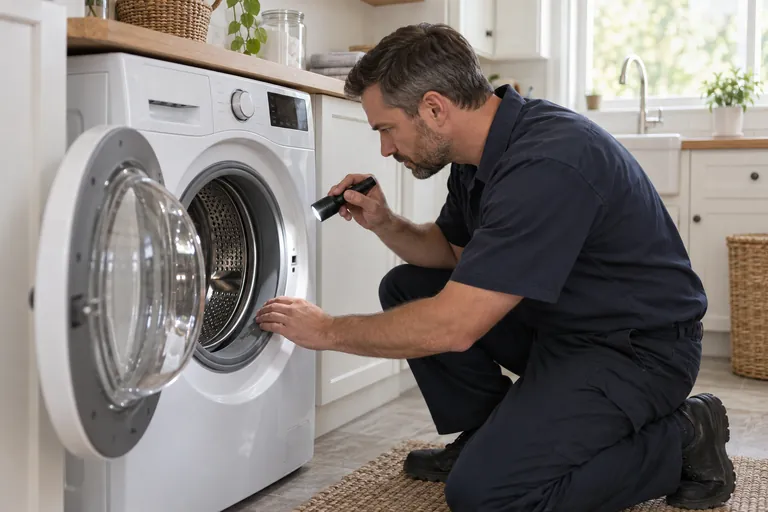
If your washing machine sounds like a freight train during the spin cycle, you're dealing with a balance problem. This common issue affects millions of households and can range from a minor annoyance to a serious problem that requires professional repair. The good news is that many balance issues can be fixed with simple DIY solutions.
In this guide, we'll walk you through the common causes of washing machine imbalance, step-by-step solutions for both front-load and top-load machines, and help you determine when it's time to call in the professionals.
Understanding Washing Machine Balance
Modern washing machines spin at speeds up to 1,400 RPM (revolutions per minute). At these speeds, even small imbalances create significant centrifugal force, causing vibration and movement. Your washer is designed with multiple systems to handle normal variations in load distribution, but when these systems fail or loads are severely unbalanced, problems occur.
How Balance Systems Work
Washing machines use several mechanisms to maintain balance during operation:
- Shock Absorbers/Dampers: Absorb movement and reduce drum oscillation
- Suspension Springs: Support the drum and allow controlled movement
- Counterweights: Heavy concrete or metal blocks that stabilize the drum
- Balance Rings: Fluid-filled rings that automatically redistribute weight
- Electronic Sensors: Detect imbalance and adjust spin speed accordingly
Common Causes of Washing Machine Imbalance
Before attempting any fixes, it's important to identify the root cause of your balance problem. Here are the most common culprits:
1. Load Distribution Problems
The most common cause of washing machine shaking is simply how clothes are distributed in the drum. Heavy items like towels, jeans, or blankets can clump together on one side, creating severe imbalance during the spin cycle.
Pro Tip
When washing heavy items like comforters or rugs, add a few towels to help balance the load. Never wash a single heavy item alone - the machine needs multiple items to distribute weight evenly.
2. Machine Not Level
Even a slight tilt can cause significant vibration at high spin speeds. Over time, vibration can cause machines to shift position, especially on smooth floors like tile or laminate.
3. Shipping Bolts Still Installed
New washing machines come with shipping bolts or brackets that secure the drum for transport. If these aren't removed before use, the machine will vibrate excessively. This is a common oversight with new installations.
4. Worn Shock Absorbers
Shock absorbers (in front-loaders) or damper straps (in some top-loaders) wear out over time. When they fail, the drum moves more than it should during spinning.
5. Damaged Suspension Springs
Springs can stretch, break, or detach, causing the drum to hang unevenly. This is more common in top-load machines with suspension rod systems.
6. Worn Drum Bearings
When drum bearings wear out, the drum can wobble during rotation. This usually produces a loud rumbling or grinding noise in addition to vibration.
| Symptom | Likely Cause | DIY Fix? |
|---|---|---|
| Shaking only with certain loads | Load distribution | Yes |
| Machine walks across floor | Not level / shipping bolts | Yes |
| Constant vibration, all loads | Shock absorbers / springs | Maybe |
| Loud rumbling + vibration | Drum bearings | No - call pro |
| Squealing + vibration | Belt or motor mount | Maybe |
DIY Fixes for Balance Problems
Many balance issues can be resolved without professional help. Work through these solutions in order, as they progress from simplest to more complex.
Solution 1: Redistribute the Load
If your machine only shakes with certain loads, the fix is simple:
- Stop the cycle when shaking begins (pause button or open lid/door)
- Redistribute clothes evenly around the drum
- Separate heavy items so they're not bunched together
- Restart the cycle
Load Balancing Best Practices
- Mix large and small items together
- Don't overload - clothes should move freely
- Wash similar weight items together (towels with towels)
- Add items in pairs (two jeans, not one)
- Never wash single heavy items alone
Solution 2: Level the Machine
An unlevel machine is a vibrating machine. Here's how to level your washer properly:
Tools Needed:
- Bubble level (or smartphone level app)
- Adjustable wrench or pliers
- Flashlight
Step-by-Step Leveling Process:
- Clear the top: Remove anything sitting on the machine
- Check current level: Place the level on top of the machine, check both left-right and front-back
- Access the feet: Locate the adjustable feet (typically 4, at each corner)
- Adjust the feet:
- Turn clockwise to raise that corner
- Turn counterclockwise to lower
- Most feet have a lock nut - loosen it before adjusting
- Check level again: Repeat until bubble is centered both directions
- Lock the feet: Tighten lock nuts to prevent movement
- Test stability: Push on corners of machine - it shouldn't rock
Important
All four feet must be firmly on the floor. If you can rock the machine after leveling, one foot is not making contact. Continue adjusting until all feet are solid on the ground.
Solution 3: Check for Shipping Bolts
If your machine is new or recently moved, shipping bolts may still be installed:
- Check the back of the machine for large bolts or brackets
- Consult your owner's manual for exact locations
- Remove all shipping hardware with appropriate wrench
- Save the bolts for future moves
- Install the provided hole covers
Common shipping bolt locations by brand:
| Brand | Number of Bolts | Location |
|---|---|---|
| Samsung | 4 | Back panel |
| LG | 4-5 | Back panel |
| Whirlpool/Maytag | 3-4 | Back panel, base |
| Bosch | 4 | Back panel |
| GE | 4 | Back panel |
Solution 4: Add Anti-Vibration Pads
Anti-vibration pads placed under each foot can significantly reduce noise and movement, especially on hard floors:
- Available at hardware stores and online ($15-30 for a set)
- Made of rubber, foam, or composite materials
- Simply place under each foot
- Re-level the machine after installation
Solution 5: Check and Tighten Components
For persistent vibration, check these accessible components:
Front-Load Washers:
- Door boot seal (should be firmly attached)
- Drain pump filter (clean and secure)
- Counterweight bolts (access through top panel)
Top-Load Washers:
- Lid switch (should click securely)
- Agitator bolt (remove agitator cap to access)
- Tub ring (surrounds the basket)
Front-Load Washer Balance Issues
Front-load washers are more prone to balance problems than top-loaders due to their horizontal drum orientation. Here are issues specific to front-loaders:
Shock Absorber Inspection
Front-load washers typically have 2-4 shock absorbers connecting the drum to the cabinet. To check them:
- Unplug the machine
- Remove the front or rear access panel (depending on model)
- Locate the shock absorbers (diagonal struts from drum to base)
- Check for oil leaks or damage
- Push the drum - it should move and return slowly
- If the drum bounces or doesn't return smoothly, shocks need replacement
Suspension Spring Check
Springs are located at the top of the drum:
- Remove the top panel
- Inspect springs for stretching, rust, or disconnection
- All springs should be the same length
- Replace springs as a set, not individually
Front-Load Washer Repair Services
Shock absorber and suspension repairs require proper tools and expertise. Our technicians specialize in front-load washer repairs for all brands.
Schedule RepairTop-Load Washer Balance Issues
Top-load washers use different suspension systems and have their own common issues:
Suspension Rod Systems
Many top-loaders use four suspension rods with dampening cups:
- Rods should be straight with no bends
- Dampening cups should be intact, not cracked
- All four should be connected at top and bottom
Tub Balance Ring Issues
Some top-loaders have a liquid-filled balance ring at the top of the tub:
- If damaged, fluid may leak out
- A dry balance ring will cause severe shaking
- Check for wetness around the tub ring
- Ring must be replaced if damaged (not repairable)
Snubber Ring (Friction Pads)
Located at the bottom of some top-loaders:
- Provides friction to dampen tub movement
- Wears out over time
- Produces squealing or grinding if worn
- Relatively easy DIY replacement
Floor and Installation Considerations
The surface your washer sits on significantly impacts vibration:
Best Flooring for Washing Machines
| Floor Type | Vibration Level | Recommendations |
|---|---|---|
| Concrete | Low | Ideal - most stable surface |
| Tile on concrete | Low | Excellent, use anti-slip pads |
| Hardwood | Medium | Use anti-vibration pads |
| Laminate | Medium-High | Pads essential, may walk |
| Vinyl/Linoleum | Medium | Anti-slip pads recommended |
| Plywood subfloor | High | Add plywood reinforcement |
Upper Floor Installation
Installing a washer on an upper floor requires special consideration:
- Verify floor can support weight (washer + water + load = 200-300 lbs)
- Use a drain pan to catch leaks
- Anti-vibration pads are essential
- Consider vibration-isolating platforms
- Front-loaders often work better than top-loaders on upper floors
When to Call a Professional
Some balance issues require professional diagnosis and repair:
Signs You Need Professional Help
- Loud grinding or rumbling noises (bearing failure)
- Visible rust or metal shavings in drum
- Burning smell during operation
- Drum wobbles when pushed by hand
- Error codes related to motor or drum speed
- Water leaking from bottom of machine
- DIY fixes haven't resolved the problem
Safety Warning
Never operate a severely unbalanced washing machine. Excessive vibration can cause water hose connections to fail, leading to flooding. If your machine is shaking violently, stop using it until the problem is resolved.
What to Expect from Professional Repair
| Repair Type | Typical Cost (CAD) | Time |
|---|---|---|
| Shock absorber replacement | $150-250 | 45-60 min |
| Suspension spring replacement | $100-200 | 30-45 min |
| Drum bearing replacement | $250-450 | 2-3 hours |
| Counterweight reattachment | $100-175 | 30-45 min |
| Tub balance ring | $150-275 | 1-2 hours |
Preventing Future Balance Problems
Once you've fixed your balance issue, these practices will help prevent recurrence:
Loading Best Practices
- Never overload the machine
- Distribute items evenly around the drum
- Wash bulky items with other items, not alone
- Check pockets for heavy objects
- Remove items promptly to prevent moisture damage
Regular Maintenance
- Check machine level monthly
- Inspect feet for damage or wear
- Clean around the base regularly
- Run monthly cleaning cycles
- Keep the drum dry between uses (leave door open)
Annual Inspection Checklist
- Check all feet for proper contact with floor
- Verify machine is level
- Inspect water hoses for wear
- Check shock absorbers (front-load)
- Listen for unusual noises during spin
- Test spin cycle with empty drum
Professional Maintenance Services
Our annual maintenance service includes complete inspection, cleaning, and adjustment of your washing machine to prevent balance issues and extend its lifespan.
Call (437) 524-1053Frequently Asked Questions
Why does my washing machine shake violently during spin cycle?
Violent shaking during the spin cycle is usually caused by an unbalanced load, a machine that's not level on the floor, worn shock absorbers or suspension springs, or a worn drum bearing. Start by checking load distribution and machine leveling, as these are the most common and easiest-to-fix causes.
How do I level my washing machine?
Place a bubble level on top of the machine and check both side-to-side and front-to-back. Adjust the leveling feet by turning them clockwise to raise or counterclockwise to lower. Loosen the lock nut first, make adjustments, then tighten the lock nut. All four feet must be firmly on the floor - the machine should not rock when pushed.
Can an unbalanced washing machine damage my floor?
Yes, a severely unbalanced washing machine can damage flooring over time through excessive vibration. It can crack tiles, scratch hardwood, and cause structural issues in homes with weak subflooring. It can also damage the machine itself and stress water connections, potentially causing leaks or floods.
Why does my washing machine walk across the floor?
A machine that moves during operation typically isn't level or has smooth feet that don't grip the floor. Level the machine properly and consider adding anti-vibration pads under the feet for better grip. Check that shipping bolts have been removed if the machine is new.
How much does it cost to fix washing machine shaking?
Costs vary based on the cause. DIY solutions like leveling and anti-vibration pads cost $0-30. Professional repairs range from $100-250 for shock absorbers or springs, up to $250-450 for drum bearing replacement. Always get a diagnosis before authorizing repairs.
Should I repair or replace an old shaking washing machine?
If your machine is less than 7 years old, repair usually makes sense. For machines over 10 years old with drum bearing or multiple component failures, replacement may be more cost-effective. Consider energy savings from new models when making your decision.
Are front-load or top-load washers more prone to balance issues?
Front-load washers are generally more sensitive to balance issues due to their horizontal drum orientation and higher spin speeds. However, modern machines of both types have sophisticated balance systems. Proper loading technique matters more than the type of machine.
Can I install a washing machine on the second floor?
Yes, but take precautions. Verify floor can support the weight (200-300 lbs when full), use a drain pan, install anti-vibration pads, and ensure proper leveling. Front-load washers typically cause less vibration on upper floors than top-loaders.
Conclusion
A shaking washing machine is a common problem with solutions ranging from simple load redistribution to professional component replacement. Start with the easiest fixes - proper loading and leveling - before moving to more complex repairs. Most balance issues can be resolved without professional help, but don't hesitate to call in experts when you encounter drum bearing problems or when DIY fixes haven't worked.
Regular maintenance and proper loading techniques will prevent most balance problems from occurring. If your machine continues to shake despite proper use, it's signaling that something mechanical needs attention. Addressing these issues promptly will prevent damage to your machine, flooring, and plumbing.
If you're in the Toronto area and dealing with a washing machine that won't stop shaking, Nika Appliance Repair is here to help. Our technicians diagnose and repair all brands of washers, with same-day service available for urgent issues.
